Facing canine Degenerative Myelopathy (DM) is daunting. But structured exercise, clinical guidance, and home adaptations can increase your GSD's mobile lifetime by up to 4.6 times. Explore scientific resources constructed to guide you from diagnosis to lifelong management.
Navigating Degenerative Myelopathy requires a structured, multi-disciplinary approach. Dive into our clinical content hubs designed for GSD parents.
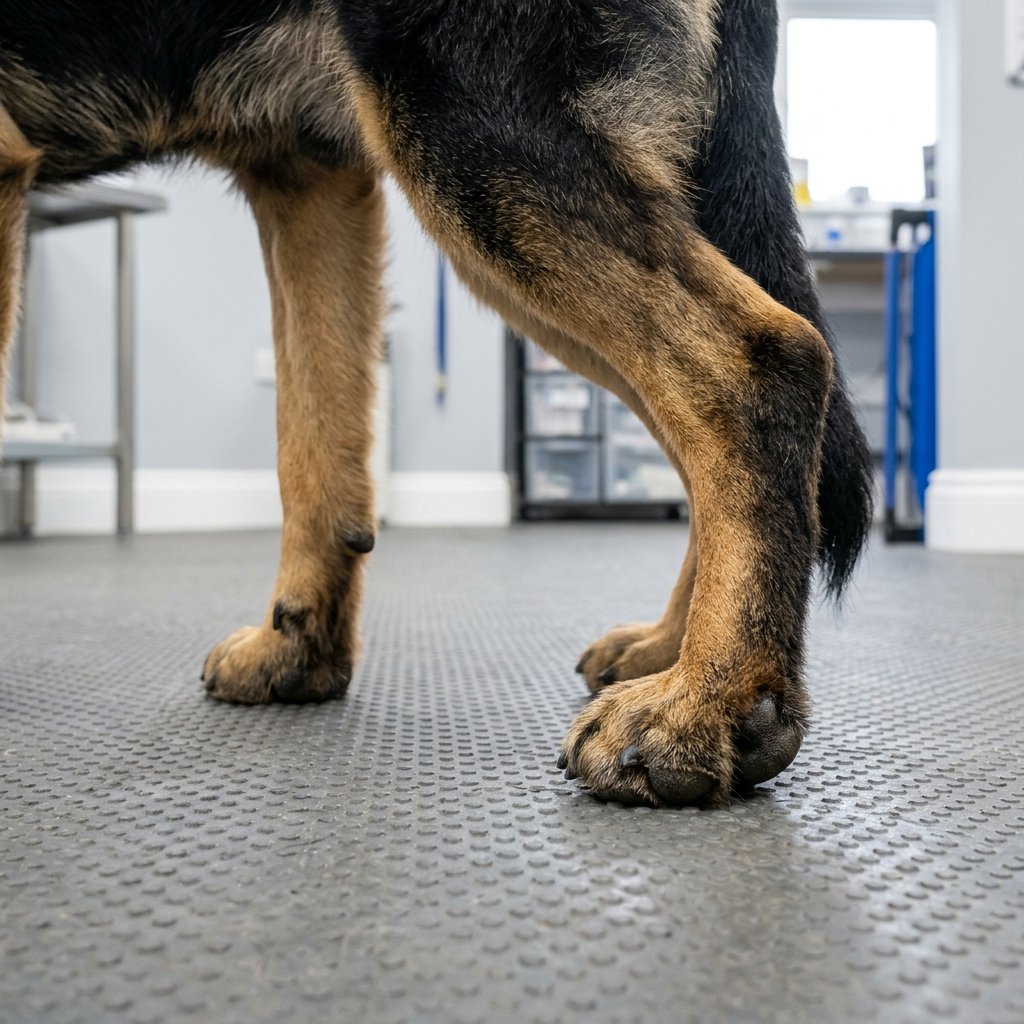
Learn to differentiate early symptoms like toe scuffing and knuckling from common orthopedic issues, and understand SOD1 genetic testing parameters.
Explore Diagnosis Hub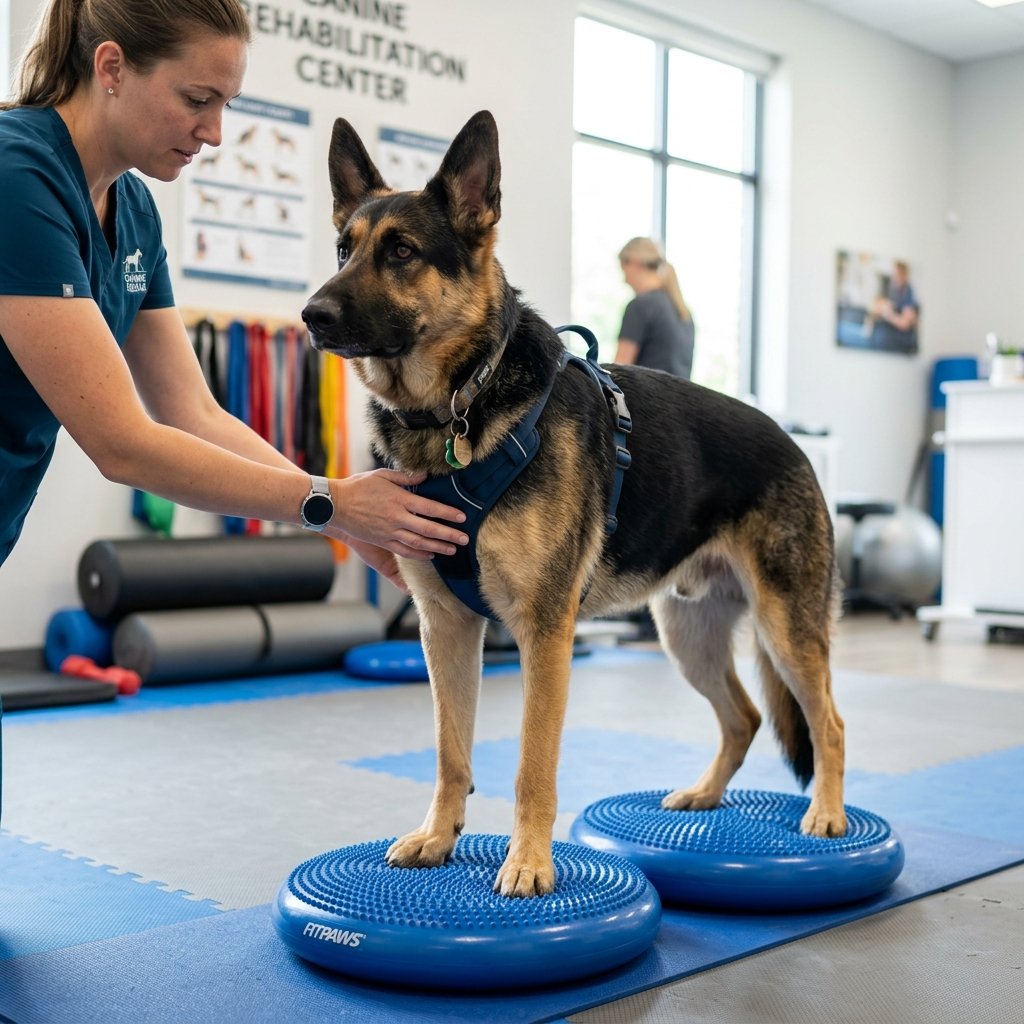
Evidence shows structured physiotherapy preserves walking capability. Explore morning stretching, midday balance games, and hydrotherapy programs.
View Exercise Routines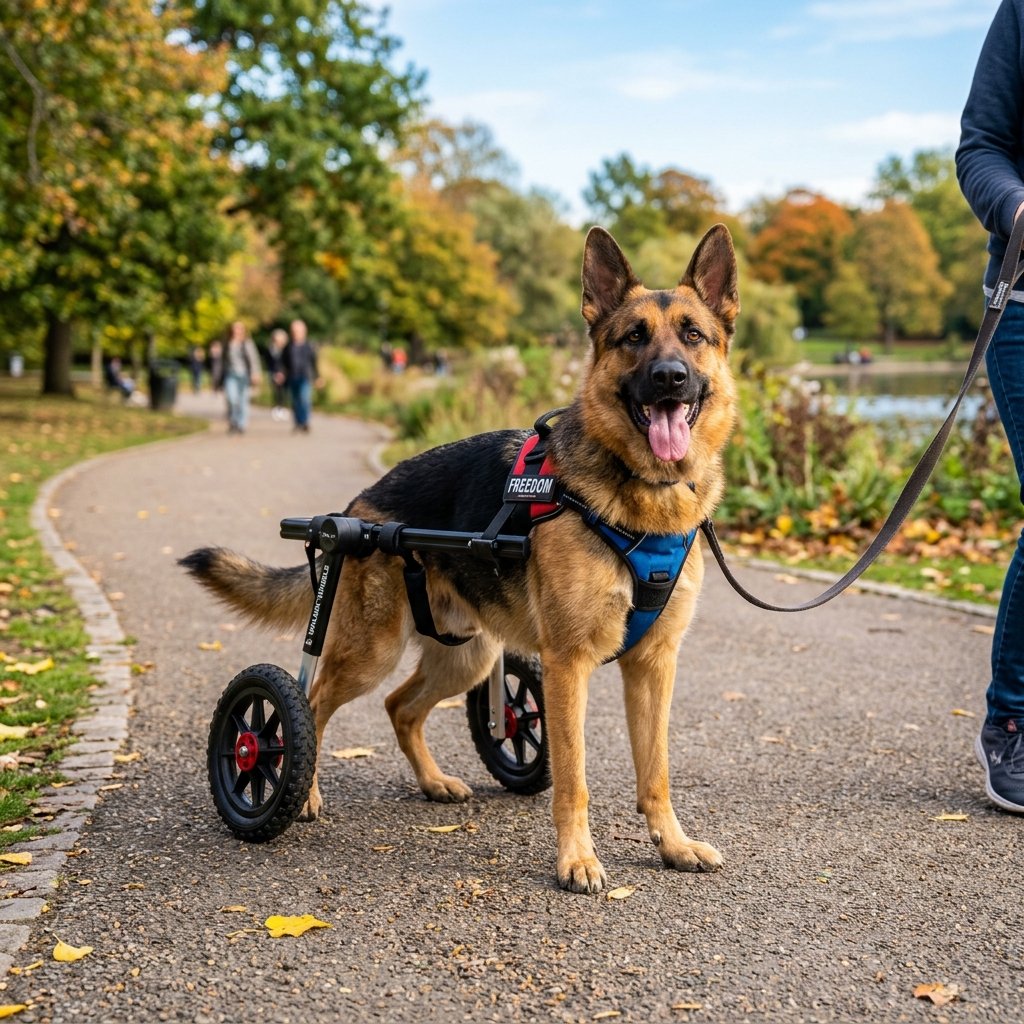
Upgrade home traction, protect drag pads, coordinate nutrition, prevent UTIs, and navigate harnesses and adjustable rear carts correctly.
See Home & Gear Guide
Use objective benchmarks (Knuckle Counts, Rise Time) to track decline. Access our structured framework to guide tough veterinary choices.
Read Progression Logs
Read about human ALS translations (Riluzole), allogeneic stem cells, and gene vector targets. Avoid unproven supplement paths.
Explore Research HubDegenerative Myelopathy (commonly referenced as canine ALS) is a progressive neurodegenerative disease affecting the spinal cord. In German Shepherd Dogs, genetic defects in the SOD1 gene play a critical role, but genetics are not destiny. A positive DNA status (A/A genotype) does not mean clinical onset is guaranteed due to incomplete penetrance.
Understanding early symptoms—such as toenail scuffing, paw knuckling, and unsteadiness—helps GSD owners implement proactive physical therapy. Studies indicate dogs undergoing guided, structured exercise retain functional walking abilities significantly longer than those left without care. This portal is built to give you and your veterinarian the exact tools to coordinate this timeline.